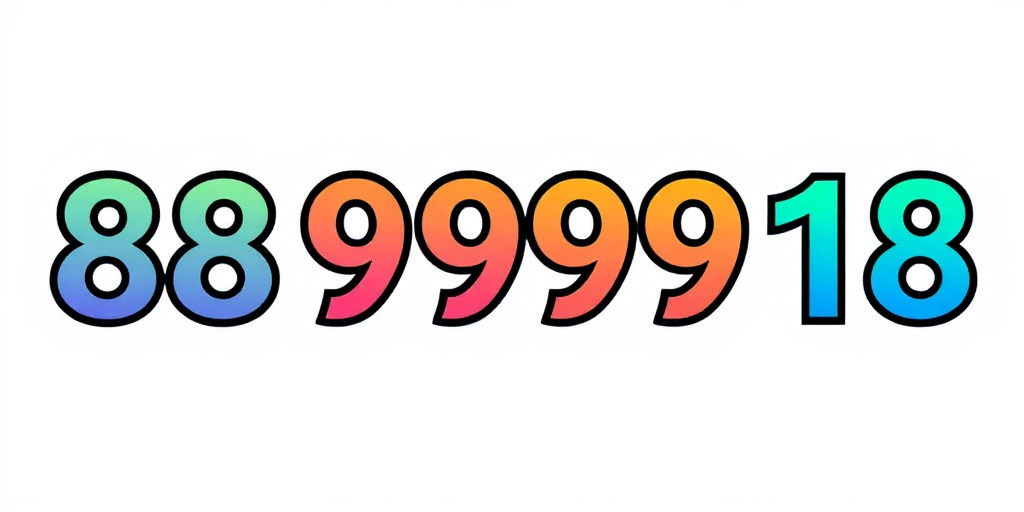

Across the UK, school pupils have been exclaiming the words ““67” during lessons in the newest internet-inspired phenomenon to take over classrooms.
While some educators have opted to patiently overlook the craze, some have accepted it. Several educators explain how they’re managing.
‘My initial assumption was that I’d uttered something offensive’
Back in September, I had been addressing my eleventh grade tutor group about getting ready for their secondary school examinations in June. It escapes me exactly what it was in reference to, but I said a phrase resembling “ … if you’re aiming for grades six, seven …” and the complete classroom erupted in laughter. It caught me totally off guard.
My first thought was that I had created an allusion to an inappropriate topic, or that they perceived an element of my pronunciation that appeared amusing. A bit frustrated – but truly interested and conscious that they weren’t trying to be hurtful – I persuaded them to elaborate. Honestly, the description they provided didn’t make much difference – I remained with no idea.
What might have rendered it particularly humorous was the weighing-up movement I had performed during speaking. I have since discovered that this often accompanies ““sixseven”: My purpose was it to help convey the act of me thinking aloud.
In order to end the trend I try to reference it as frequently as I can. Nothing diminishes a phenomenon like this more thoroughly than an adult striving to join in.
‘Feeding the trend creates a blaze’
Being aware of it aids so that you can avoid just blundering into remarks like “well, there were 6, 7 hundred unemployed people in Germany in 1933”. If the digit pairing is unavoidable, having a strong school behaviour policy and requirements on learner demeanor is advantageous, as you can sanction it as you would any different disruption, but I haven’t actually needed to implement that. Guidelines are necessary, but if students buy into what the educational institution is implementing, they’ll be less distracted by the viral phenomena (particularly in class periods).
Concerning six-seven, I haven’t sacrificed any lesson time, other than for an infrequent eyebrow raise and commenting ““correct, those are digits, good job”. When you provide focus on it, then it becomes an inferno. I treat it in the same way I would handle any different interruption.
There was the 9 + 10 = 21 craze a few years ago, and undoubtedly there will emerge another craze subsequently. That’s children’s behavior. Back when I was youth, it was doing comedy characters mimicry (honestly away from the classroom).
Young people are unpredictable, and I believe it’s an adult’s job to respond in a manner that guides them toward the path that will get them where they need to go, which, fingers crossed, is coming out with qualifications instead of a behaviour list extensive for the use of random numbers.
‘Students desire belonging to a community’
The children use it like a unifying phrase in the playground: a student calls it and the other children answer to indicate they’re part of the equivalent circle. It resembles a interactive chant or a football chant – an agreed language they share. I don’t think it has any specific importance to them; they simply understand it’s a phenomenon to say. Regardless of what the latest craze is, they desire to experience belonging to it.
It’s prohibited in my teaching space, though – it’s a warning if they exclaim it – just like any additional calling out is. It’s particularly challenging in numeracy instruction. But my class at year 5 are nine to 10-year-olds, so they’re fairly accepting of the rules, although I understand that at high school it may be a distinct scenario.
I’ve been a educator for 15 years, and these phenomena persist for a month or so. This trend will fade away in the near future – it invariably occurs, especially once their junior family members start saying it and it stops being cool. Subsequently they will be focused on the next thing.
‘Sometimes joining the laughter is necessary’
I began observing it in August, while teaching English at a foreign language school. It was mainly young men repeating it. I taught students from twelve to eighteen and it was widespread within the younger pupils. I had no idea what it was at the time, but I’m 24 years old and I recognized it was just a meme similar to when I was at school.
These trends are constantly changing. ““Skibidi” was a familiar phenomenon back when I was at my training school, but it didn’t particularly appear as frequently in the classroom. In contrast to “six-seven”, ““that particular meme” was never written on the board in lessons, so learners were less prepared to embrace it.
I typically overlook it, or occasionally I will smile with the students if I accidentally say it, trying to relate to them and appreciate that it’s merely contemporary trends. I think they simply desire to enjoy that sensation of belonging and friendship.
‘Lighthearted usage has diminished its occurrence’
I have worked in the {job|profession


